Engineering the View: How McDanel Helped Power Artemis II
Breakthrough missions are enabled not just by rockets and software but by highly engineered, mission critical components.
In April 2026, humanity took a decisive step toward deep space exploration. NASA’s Artemis II mission traveled nearly 700,000 miles and reached the farthest distance humans have ever flown from Earth.
For most people, the mission will be remembered for its historic milestones. But behind the scenes, it was also a story of precision engineering at the highest level. Where every material, every component, and every interface had to perform flawlessly in one of the harshest environments imaginable.
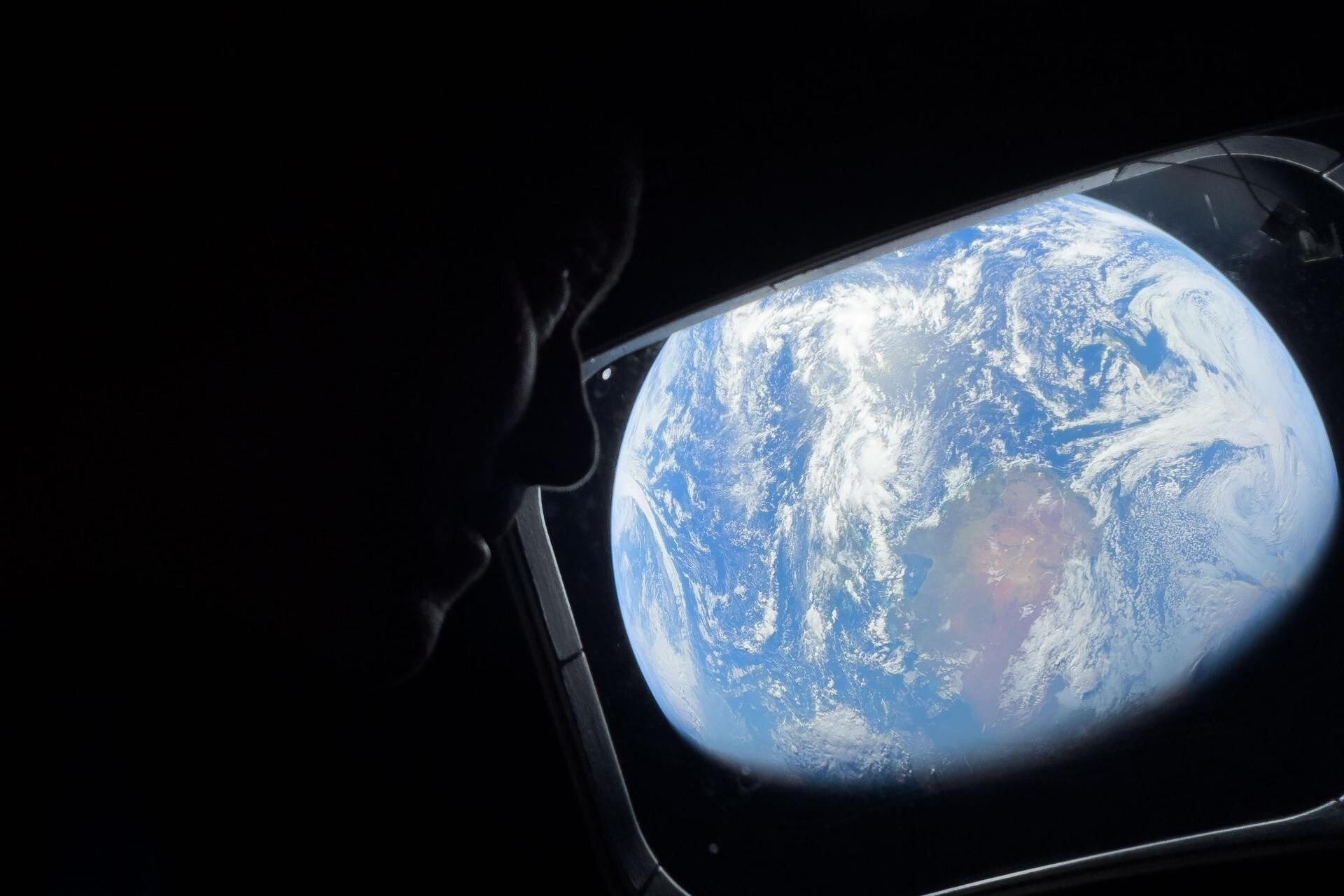
And in one critical area, the windows that allowed astronauts to see the Moon, Earth, and deep space, McDanel Advanced Materials played a quiet but essential role.
A mission where nothing can fail
Artemis II wasn’t just a symbolic return to lunar flight, it was a full-scale validation of NASA’s deep space infrastructure. The mission tested the Orion spacecraft, including life support, navigation, thermal protection, and crew safety systems.
Unlike missions in low Earth orbit, Artemis II pushed hardware into deep space, where systems must withstand: extreme temperature swings, high radiation exposure, micrometeoroid impacts, and violent launch and re-entry forces.
Every component onboard must perform perfectly. Not just once, but continuously.
That includes something deceptively simple: the windows.
McDanel’s Role: Engineering the Sight Windows
McDanel Advanced Materials specializes in high-performance ceramic and glass solutions designed for extreme environments, exactly the conditions encountered in deep space missions.
For Artemis II, McDanel manufactured the Sight Windows integrated into the Orion crew module. These components enable astronauts to safely observe everything from the lunar surface during flyby to Spacecraft orientation and operations, to visuals of Earth during return trajectory.
But their function goes far beyond visibility. These windows represent a convergence of Material Science, Optical Precision, and Aerospace Engineering and must perform with absolute reliability.
Why this matters
When astronauts described the Moon’s far side as “impossibly rugged” and “alien,” they were seeing it through systems like these. Precision-built windows that make space exploration possible.
This is the often overlooked reality of modern spaceflight: breakthrough missions are enabled not just by rockets and software but by highly engineered, mission critical components.
McDanel’s contribution reflects a broader theme across the Artemis portfolio: supporting companies that design and manufacture precision products for mission critical applications.